Building an Impactful Volunteer Program for Your Nonprofit Organization
Nonprofit organizations play a crucial role in addressing societal needs and promoting positive change. One key factor contributing to the success of these organizations is the dedication and support of volunteers. Developing a robust volunteer program is essential for maximizing your nonprofit's impact. Here is the basic process of creating and managing an impactful volunteer program.
Check out our Volunteer Program Planner!
What are the Benefits of Building a Strong Volunteer Program?
A volunteer program offers immense benefits that help nonprofits achieve their goals, maximize their impact, and strengthen their connections with the communities they serve, including:
Increased Capacity. Volunteers expand the organization's capacity to deliver services and achieve its mission without adding to overhead costs, allowing nonprofits to do more with limited resources.
Diverse Skill Sets. Volunteers bring a diverse range of skills, expertise, and perspectives to the organization, allowing for greater innovation and problem-solving capabilities.
Cost Savings. By utilizing volunteers, nonprofits can reduce labor costs associated with hiring paid staff, allowing more funds to be directed toward programmatic activities and initiatives.
Community Engagement. A volunteer program fosters stronger connections with the community by engaging individuals who are passionate about the organization's mission, thereby building a network of supporters and advocates.
Increased Impact. With the help of volunteers, nonprofits can expand their reach and impact, serving more beneficiaries and addressing a wider range of needs within the community.
Flexible Resources. Volunteers provide flexible support that can be scaled up or down as needed, allowing organizations to adapt to changing demands and circumstances.
Enhanced Public Image. A well-managed volunteer program enhances the organization's reputation and credibility, demonstrating its commitment to community engagement and social responsibility.
Long-Term Sustainability. By cultivating a pool of dedicated volunteers, nonprofits can establish a reliable source of support that contributes to the organization's long-term sustainability and resilience.
Innovation and Creativity. Volunteers often bring fresh ideas and perspectives to the table, sparking innovation and creativity within the organization's programs, services, and operations.
What are the Steps to Creating a Volunteer Program?
Assess Your Organization's Needs
Before developing a volunteer program, assess your organization's needs. Identify the areas where volunteers can make the most significant impact. This might involve evaluating your current projects, programs, and events to determine which tasks can be delegated to volunteers.
Clearly Define Volunteer Roles and Responsibilities
Create detailed job descriptions for each volunteer role to ensure that expectations are clear. Clearly outline the responsibilities, time commitments, and any necessary qualifications or skills for each position. This helps volunteers understand their role and also allows your organization to recruit individuals with the right expertise and passion for the cause.
Develop a Volunteer Recruitment Strategy
Effectively recruiting volunteers is vital to the success of your program. Utilize various channels to spread the word about volunteer opportunities, such as your organization's website, social media, local community bulletin boards, and partner organizations. Craft compelling messages highlighting volunteers' impact and emphasize the personal and professional benefits of volunteering with your nonprofit.
Streamline the Volunteer Onboarding Process
Once you have recruited volunteers, ensure a smooth onboarding process. Provide comprehensive training covering your organization's mission, values, and specific procedures. This training should also include any necessary skills or knowledge required for the volunteer roles. Establish a communication channel, such as a handbook or online platform, to keep volunteers informed about updates, events, and relevant information.
Foster a Positive Volunteer Experience
Create an inclusive and welcoming environment to encourage volunteers to stay engaged with your organization. Regularly recognize and appreciate their efforts, whether through verbal praise, certificates, or other forms of acknowledgment. Additionally, facilitate opportunities for volunteers to connect with each other, fostering a sense of community and camaraderie.
Implement Effective Volunteer Management
Develop a structured system for volunteer scheduling, tracking, and evaluation. Consider using volunteer management software to streamline these processes. Regularly check in with volunteers to gather feedback, address concerns, and assess their overall satisfaction. This ongoing communication helps build a strong relationship between your organization and its volunteers.
Offer Professional Development Opportunities
Encourage volunteers to enhance their skills and knowledge by providing access to training sessions, workshops, or relevant educational resources. This benefits the volunteers and strengthens your organization by creating a more skilled and committed volunteer base.
Developing a volunteer program for your nonprofit organization is a dynamic and ongoing process. By carefully assessing your organization's needs, defining clear roles and responsibilities, implementing effective recruitment and onboarding processes, fostering a positive volunteer experience, and offering ongoing support and development, you can build a successful and sustainable volunteer program that contributes to the overall success of your nonprofit mission. Remember, volunteers are a valuable asset, and a well-managed program can lead to lasting positive change in your community.
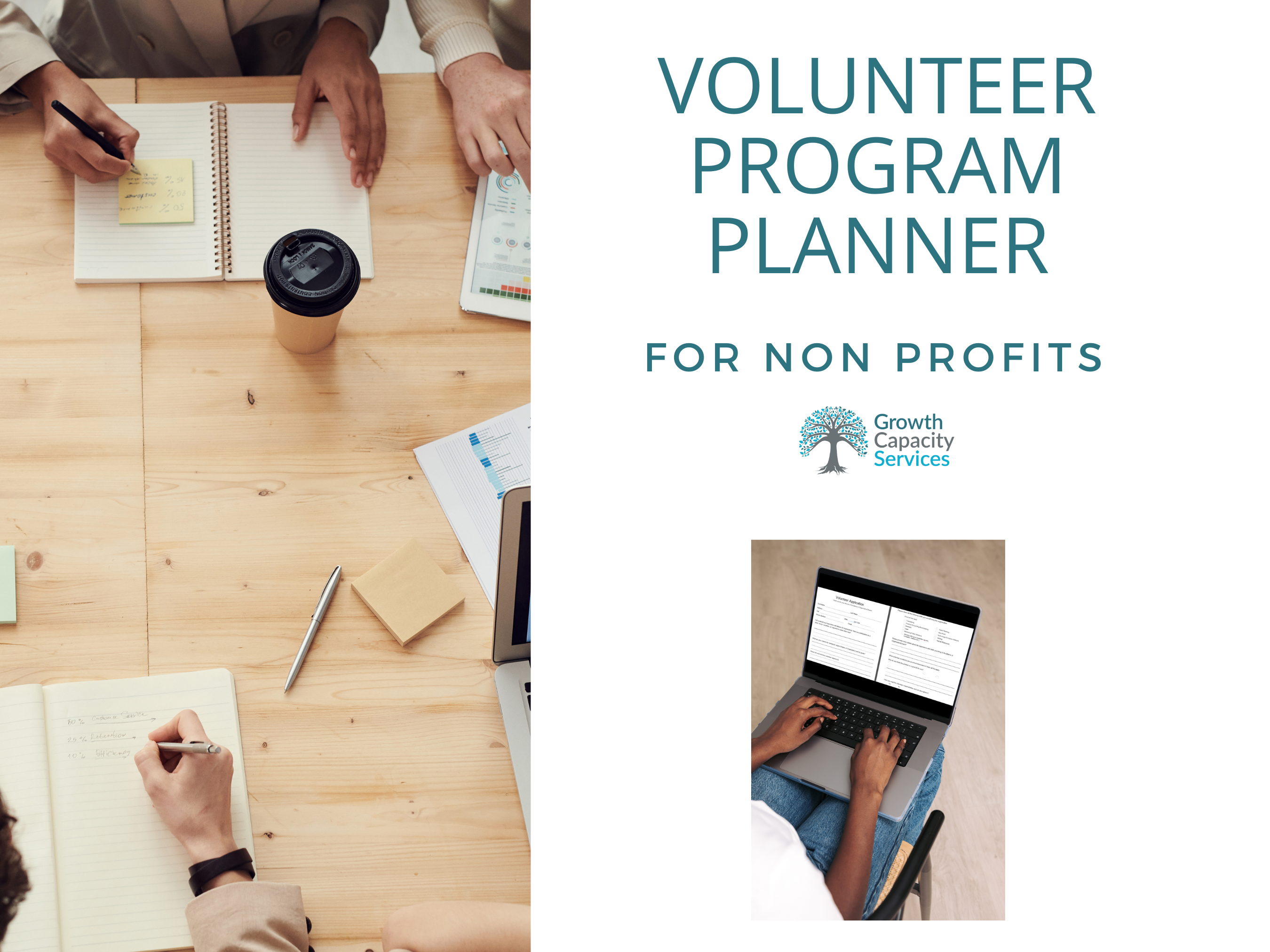
Our Volunteer Program Bundle is a great tool to help you get started! It includes:
A planning document to brainstorm your volunteer needs and create a marketing plan.
A volunteer application template
A Google Sheet planner to track volunteer roles, contact information and hours, ideas for where to list openings, a budget, and more.
Articles by Category
Step-by-step instructions to help your organization grow!